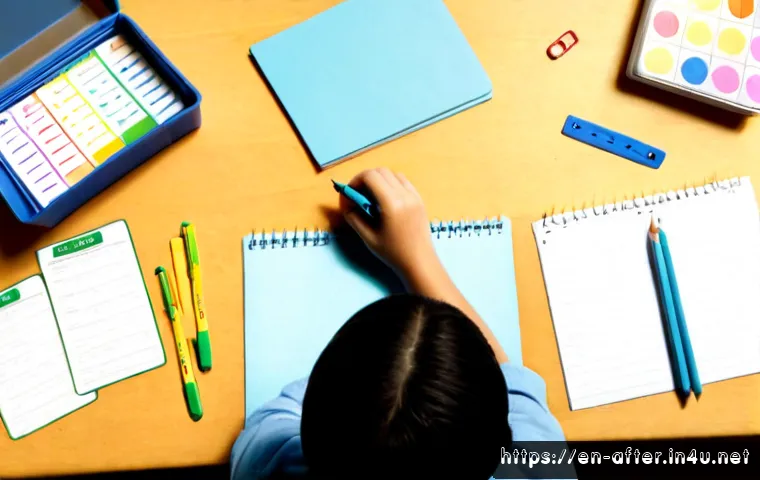
Effective after-school lesson materials connect a clear activity goal, simple directions, and a quick way to see whether learners participated or understood.
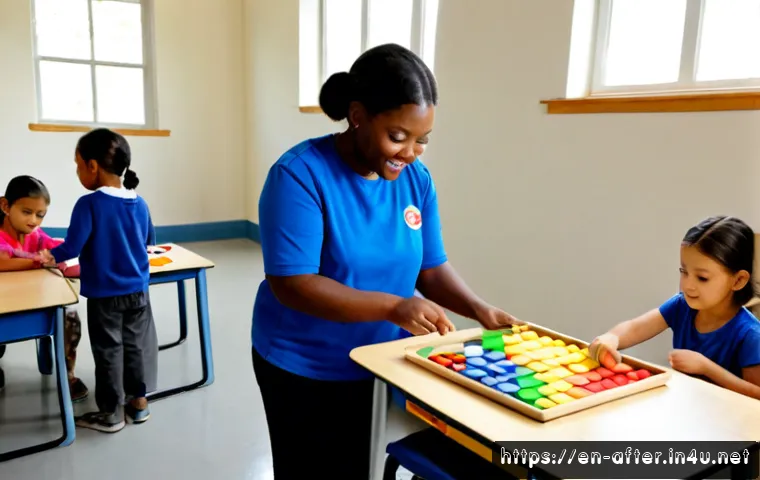
Start with reusable structure first, then decide whether self-made worksheets, editable templates, resource subscriptions, design software, or printing support will save enough preparation time to justify the cost.
Free DIY materials are often enough for a focused, occasional activity with specific classroom needs. Paid templates or lesson-planning tools can be useful when new materials are needed regularly and editing flexibility matters.
Print services may be worth considering when you need consistent presentation, durable packs, or a larger quantity of materials. Before sharing anything, check licenses, accessibility, safety instructions, and one test print.
At a Glance
- Build every activity around a goal, instructions, participation check, and reflection.
- Use reusable templates when weekly or seasonal planning creates repeated preparation work.
- Compare editing flexibility, license terms, printing needs, and reuse potential before buying resources or services.
| Material Option | Best When | Editing Flexibility | Setup Time | Key Check Before Choosing |
|---|---|---|---|---|
| Self-made worksheets | You need a highly specific activity or local adaptation | High | Higher at first | Can the layout be reused for another session? |
| Editable templates | You want a faster starting point with room for changes | Usually high | Moderate | Does the license allow your intended editing and distribution? |
| Printable resource subscriptions | You need fresh activity ideas regularly | Varies | Lower after selection | Are group sharing and printing permissions included? |
| Design software or print support | Presentation quality, volume, or durability matters | Varies by service | Moderate | Review file requirements, proofing, and total print specifications |
Start With a Clear Activity Goal and a Simple Lesson Structure
The strongest materials begin with one practical question: What should learners make, practice, discuss, or understand by the end? A clear answer prevents worksheets from becoming busywork and helps instructors select only the supplies and instructions that support the activity.
Define the learner outcome first
Write the goal in plain language before designing the handout. For example, learners may need to follow a process, contribute an idea, complete a small project, or explain what they noticed. Keep the outcome realistic for the setting, especially when the group’s age range, session length, and prior experience are unknown.
Use a repeatable session flow
A repeatable structure makes lesson planning easier across different topics: welcome, instructions, activity, reflection, and cleanup. The instructor guide can show this sequence clearly, while the learner handout should focus only on the directions learners need at that moment. Do not let a visually attractive page replace a workable activity flow.
A three-line quick answer for busy instructors
Choose one activity goal. Give learners short, visible steps and prepare supplies before the session begins. End with one quick question, share-out, or completion check so you can see whether the activity worked.
Choose the Right Material Format Before You Spend Time or Money
There is no single best format for after-school activities. The sensible choice depends on how often you plan, how much customization is needed, whether materials will be reused, and whether printing is part of the experience.
Compare DIY, templates, subscriptions, and custom packs
Self-made classroom printables work well when an activity needs your own wording, examples, or supply list. Editable templates can shorten the design stage while keeping your materials adaptable. A printable-resource subscription may suit instructors who need new activity materials frequently, but its license terms still need review. Custom-designed packs or outsourced design can make sense when a program needs a consistent look across many sessions.
Evaluate the real cost of each session
Look beyond the purchase decision. Consider preparation time, reuse potential, page count, color use, paper choice, binding, and order quantity. A resource that looks inexpensive may require extensive editing or printing. A more polished pack may be useful longer, but only if it fits your program and may be reused under its license.
Know when print quality is worth the budget
Color printing can be helpful when color carries meaningful instructions or visual cues. Durable paper or binding may be more useful for instructor guides, repeat-use stations, or multi-week clubs. For a short one-time activity, a clear black-and-white layout may be the more practical option. Test the learning need first, rather than choosing premium printing by default.
Build the Core Materials Step by Step
Separate instructor-facing notes from learner-facing pages. This keeps directions clear for children while giving staff the operational details they need.
Create an instructor guide
Include the activity goal, timing sequence, supply list, setup notes, and cleanup plan. Add a brief note about what to do if learners finish early or need more support. If an activity has safety considerations, place the reminder where the instructor will see it before setup, not only at the bottom of a handout.
Design learner handouts for quick understanding
Use short directions, readable layouts, and simple visual cues. Materials for children should use age-appropriate language, and the page should not force learners to search through dense text. Digital handouts also benefit from readable fonts, sufficient contrast, and alternatives to color-only instructions.
Add options for mixed ability levels
One activity can include a support prompt and a challenge option without creating separate lessons. A support prompt might restate the first step or provide a simple example. A challenge option can invite learners to add a detail, explain a choice, or extend a project. Keep both options connected to the same core goal.
Include a quick reflection or completion check
A simple check can be a short response, a pair discussion, a show-and-tell moment, or a completed project step. It does not need to feel like a formal test. Its role is to help the instructor see participation or understanding and improve the next session’s materials.
Prevent Common Classroom, Copyright, and Printing Problems
Small mistakes can create larger problems once materials reach a group. A short review process protects both the session flow and your resource budget.
Avoid crowded pages and vague directions
Do not place every possible explanation on one sheet. If learners need several steps, organize them in a clear order. Check whether the activity can realistically be completed within the available session time, including setup and cleanup.
Check licenses before copying or sharing

Before using images, downloaded worksheets, template libraries, or digital resources, check the copyright and license terms. Permissions can differ for copying, editing, staff sharing, group distribution, and commercial use. Do not assume that a purchased resource automatically permits every type of classroom or program use.
Review accessibility, safety, and substitutions
Confirm that learners can understand the layout without relying only on color. Review hands-on activities for clear safety instructions. It is also useful to note possible supply substitutions, but only where they still support the intended activity and your program’s requirements.
Test-print before placing a larger order
Print one copy before ordering a larger batch or sending files to a print provider. Check margins, page breaks, contrast, image clarity, writing space, and whether instructions remain readable. This is especially important when printing costs change with color, paper quality, binding, page count, or quantity.
Adapt Materials for Different After-School Settings
Lesson materials should match how learners actually enter, participate in, and leave the activity. A well-designed pack for a multi-week club may not fit a drop-in session.
Short drop-in sessions and multi-week clubs
For a short drop-in session, make the first step obvious and avoid activities that require a long explanation. For a multi-week club, reusable guides, progress sheets, and project records can help learners return to work more easily. Keep each session understandable on its own in case attendance changes.
Small groups and large mixed-age groups
Small groups can use more discussion prompts and instructor feedback. Large mixed-age groups benefit from clear station signs, visual directions, and simple task divisions. If ages vary, use one shared goal with optional support and challenge prompts rather than assuming every learner needs identical directions.
Low-supply activities and project-based sessions
Low-supply activities need especially clear instructions because the learning often depends on discussion, drawing, writing, or movement rather than materials. Project-based sessions need supply lists, setup notes, and cleanup guidance that are easy for staff to follow. Match the handout length to the complexity of the project.
In-person handouts and digital sharing
Printed handouts are useful when learners need to write, cut, build, or follow steps away from a screen. Digital materials can help staff or families access instructions, but formatting should remain accessible and easy to read. Before sharing files externally, confirm that the resource license and program policies allow it.
Selection Criteria and Comparison Summary
Choose self-made materials when customization matters more than speed and you can reuse the structure later. Choose paid templates or a printable-resource subscription when frequent planning creates a real time burden and the license matches your distribution needs. Choose design software, outsourced design, or print support when consistent presentation, higher volume, or durability matters enough to justify the additional process.
- Does the material support one clear learning or participation goal?
- Can you edit it for your learners, schedule, and supplies?
- Will it be reused across future sessions or seasonal programs?
- Do the license terms permit copying, editing, and sharing as needed?
- Is the digital or printed format readable, accessible, and safe to use?
- Have you checked the full printing specifications before ordering?
If you are comparing a lesson-planning tool, template library, or print service, review the official license, editing permissions, print options, and group-distribution conditions on the relevant provider page before committing.
In Closing
Good after-school lesson materials do not need to be complicated. They need to make the activity goal clear, help instructors prepare, and give learners a manageable next step. Reusable structure is often more valuable than creating a completely new format every week. Select tools and services only after confirming that they solve a genuine time, layout, or printing problem.
Useful Information to Keep in Mind
Reuse: Save blank versions of successful guides and handouts for future themes.
Accessibility: Use readable text, sufficient contrast, and instructions that do not depend only on color.
Printing: A single proof copy can reveal layout problems before a larger order.
Licensing: Check permissions each time you download, edit, copy, or distribute a resource.
Important Notes
The appropriate age range, class size, subject, session length, budget, local safeguarding requirements, and curriculum expectations may differ by program. License permissions also vary by marketplace, subscription, software provider, and print service. Confirm those details with your school, program operator, or the relevant resource provider before distributing materials.
Frequently Asked Questions
Q1. Is it better to make after-school lesson materials yourself or buy printable resources?
A1. Make them yourself when your activity needs specific customization and you can reuse the format. Consider editable printable resources when they reduce repeated planning work, but check whether their license allows the copying, editing, and distribution you need.
Q2. How much should an instructor budget for printing activity sheets and classroom packs?
A2. The total can vary with page count, color use, paper quality, binding, and order quantity. Compare the full printing requirements, test one copy, and avoid paying for premium options unless they support the activity’s actual needs.
Q3. What should be included in an after-school lesson plan for a mixed-age group?
A3. Include a clear activity goal, short instructions, supplies, setup notes, a core activity, a support prompt, a challenge option, safety reminders where relevant, and a quick reflection or completion check. This gives different learners ways to participate while keeping one shared activity structure.