
In today’s fast-paced world, after-school tutoring has become more essential than ever for helping students stay ahead and truly grasp challenging subjects.
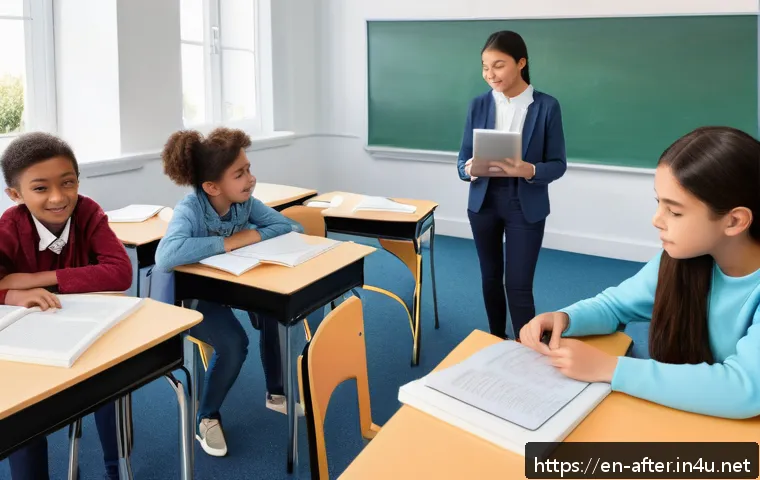
With increasing demands on young learners, finding effective ways to boost their engagement can transform not just grades but their overall confidence.
I’ve seen firsthand how tailored strategies make a huge difference in keeping students motivated and excited to learn. Whether you’re a tutor, parent, or educator, understanding these proven techniques can unlock your student’s potential and create a more rewarding learning experience.
Let’s dive into the best approaches that turn tutoring sessions into moments of real growth and success.
Creating a Personalized Learning Environment
Understanding Individual Learning Styles
Every student absorbs information differently, and recognizing this early on can be a game-changer. Some learners thrive on visual aids like charts and videos, while others retain knowledge best through hands-on activities or listening.
From my experience, tailoring your approach to fit these preferences not only keeps students engaged but also speeds up comprehension. For example, when working with a student who struggles with reading, incorporating audiobooks or interactive storytelling can make a huge difference.
It’s about meeting them where they are and building from there.
Setting Realistic and Motivating Goals
Motivation often dips when goals feel too distant or overwhelming. Breaking down larger objectives into manageable milestones has proven effective in my sessions.
Celebrating small wins along the way boosts a student’s confidence and fuels their desire to tackle the next challenge. I’ve seen students transform their mindset simply by knowing they’re progressing step by step, which makes the entire learning journey feel less daunting and more rewarding.
Building Trust and Open Communication
A tutoring relationship thrives on trust and honest dialogue. Encouraging students to express their frustrations, questions, or even doubts creates a safe space for learning.
When students feel heard and understood, they’re more likely to stay engaged and take risks in their learning process. I always make sure to check in regularly—not just about academics but also how they feel about their progress and challenges.
This approach fosters a supportive atmosphere where learning becomes a shared adventure.
Incorporating Technology to Enhance Engagement
Utilizing Interactive Tools and Apps
Technology can transform a typical tutoring session into an interactive experience that captures a student’s attention. Tools like digital whiteboards, educational games, and quiz apps add an element of fun and instant feedback that traditional methods may lack.
I’ve found that when students can see their progress visually or compete in a friendly way, their enthusiasm skyrockets. Plus, these tools often cater to different learning styles, making lessons more inclusive.
Balancing Screen Time with Hands-On Learning
While technology is a fantastic aid, it’s important not to rely on screens exclusively. Blending digital resources with physical activities—like building models, writing exercises, or real-life problem solving—helps reinforce concepts and keeps sessions dynamic.
I’ve noticed that alternating between online and offline tasks prevents fatigue and keeps students’ focus sharp throughout the session.
Tracking Progress Through Digital Portfolios
Maintaining a digital portfolio allows both tutors and students to monitor improvements over time. It’s motivating to look back and see how far they’ve come, especially when preparing for exams or standardized tests.
I encourage students to upload their work regularly, which also gives parents a transparent view of their child’s learning journey. This method promotes accountability and continuous reflection.
Fostering Critical Thinking and Problem-Solving Skills
Encouraging Questioning and Curiosity
A tutoring session becomes truly impactful when students are not just absorbing facts but actively questioning and exploring ideas. I always challenge my students to ask “why” and “how,” which pushes them beyond memorization.
This habit develops their analytical skills and builds deeper understanding. For example, instead of simply explaining a math formula, I guide them to discover the logic behind it, turning them into independent thinkers.
Using Real-World Scenarios to Teach Concepts
Applying lessons to everyday situations makes learning relatable and memorable. When students see how math, science, or language skills connect to their lives, their interest naturally increases.
I often create problem-solving exercises based on real-life contexts, such as budgeting for a trip or analyzing a news article. These practical examples help students grasp abstract ideas and see the value of their education.
Promoting Collaborative Learning Opportunities
Learning doesn’t have to be a solo journey. Group discussions, peer reviews, or cooperative projects introduce diverse perspectives and foster teamwork.
Although tutoring is often one-on-one, I sometimes organize group sessions or encourage students to study together outside class. This not only improves social skills but also exposes them to different approaches to problem-solving, enriching their overall learning experience.

Effective Time Management and Study Habits
Creating Structured Yet Flexible Study Plans
A well-organized schedule is a cornerstone of academic success, but rigidity can backfire. I’ve learned that blending structure with flexibility keeps students motivated without overwhelming them.
For instance, setting daily or weekly goals with some room for adjustment accommodates unexpected events and reduces stress. This balance helps students develop discipline while maintaining a positive attitude toward studying.
Teaching Prioritization and Focus Techniques
Not all tasks are created equal, and teaching students how to prioritize can save them from burnout. Techniques like the Pomodoro method or breaking study time into focused intervals have worked wonders in my sessions.
These strategies help students maintain concentration and avoid procrastination. When they learn to tackle the most important or difficult subjects first, they feel more accomplished and less anxious.
Encouraging Consistent Review and Reflection
Regular review sessions reinforce retention and identify gaps in understanding. I make it a point to incorporate brief recap periods at the start or end of each session.
Additionally, encouraging students to reflect on what they’ve learned and what still confuses them builds metacognitive skills. This habit not only improves long-term memory but also empowers students to take charge of their own learning.
Building Confidence Through Positive Reinforcement
Highlighting Strengths Alongside Areas for Improvement
Focusing solely on weaknesses can be discouraging. I always make sure to celebrate what students do well, whether it’s a breakthrough in understanding or improved effort.
Recognizing strengths builds a foundation of self-confidence that motivates further growth. Sharing specific praise rather than generic compliments makes feedback more meaningful and encouraging.
Using Mistakes as Learning Opportunities
Errors are inevitable, but how we frame them matters. I encourage students to view mistakes as valuable clues rather than failures. By analyzing what went wrong and exploring alternative solutions, they learn resilience and adaptability.
This shift in mindset transforms anxiety around tests or difficult problems into curiosity and determination.
Creating a Supportive and Encouraging Atmosphere
The emotional environment of a tutoring session can significantly influence a student’s willingness to take risks and stay engaged. I strive to maintain a warm, patient, and encouraging tone, showing empathy and understanding at every step.
When students feel supported, they’re more likely to push beyond their comfort zones and achieve breakthroughs.
Comparing Traditional and Modern Tutoring Techniques
| Aspect | Traditional Tutoring | Modern Tutoring |
|---|---|---|
| Teaching Style | Lecture-based, focused on repetition and memorization | Interactive, personalized, and adaptive to student needs |
| Use of Technology | Minimal or none, mostly paper-based materials | Incorporates apps, online resources, and digital tools |
| Student Engagement | Often passive, listening and note-taking | Active participation through discussions, games, and projects |
| Assessment | Periodic tests and quizzes | Ongoing feedback, digital portfolios, and self-assessment |
| Flexibility | Fixed curriculum and schedule | Customized pacing and content based on student progress |
In Conclusion
Creating a personalized learning environment is essential for effective education. By understanding each student’s unique style and needs, we can foster deeper engagement and lasting growth. Combining thoughtful goal-setting, trust-building, and modern tools truly transforms the learning experience. Ultimately, a supportive approach encourages students to become confident, curious, and independent learners.
Helpful Information to Keep in Mind
1. Recognizing different learning styles helps tailor lessons that resonate with each student’s strengths and preferences.
2. Setting achievable, step-by-step goals keeps motivation high and progress visible.
3. Open communication fosters trust, making students feel safe to express themselves and take risks.
4. Integrating technology with hands-on activities balances engagement and focus effectively.
5. Encouraging critical thinking and collaboration prepares students for real-world problem solving.
Key Takeaways
Personalized learning thrives on flexibility, trust, and meaningful interaction. Using a mix of traditional wisdom and modern technology enhances engagement while building essential skills. Consistent review, positive reinforcement, and practical application empower students to take ownership of their education. Remember, fostering confidence and curiosity is just as important as delivering content.
Frequently Asked Questions (FAQ) 📖
Q: How can I keep my child motivated during after-school tutoring sessions?
A: Keeping a child motivated often means making learning feel relevant and rewarding. From my experience, mixing up teaching methods—like incorporating games, real-world examples, or interactive activities—helps maintain interest.
Also, setting small, achievable goals and celebrating progress can boost their confidence and make them eager for the next session. Remember, patience and positive reinforcement go a long way in creating a supportive environment where your child feels encouraged rather than pressured.
Q: What are the most effective strategies tutors use to help students grasp difficult subjects?
A: Effective tutors often personalize their approach based on each student’s learning style. For example, visual learners benefit from diagrams and videos, while hands-on learners thrive with experiments or practice problems.
Breaking down complex topics into smaller, digestible parts and regularly revisiting them can prevent overwhelm. In my tutoring sessions, I’ve found that asking open-ended questions and encouraging students to explain concepts back to me reinforces their understanding and uncovers any lingering confusion.
Q: How can parents support their kids’ after-school tutoring without overstepping?
A: Parents play a crucial role by creating a routine and providing a quiet, distraction-free space for study. It’s important to show interest and ask about what they’re learning, but avoid turning sessions into pressure points by micromanaging.
From what I’ve seen, encouraging independence while being available for help strikes the right balance. Celebrating effort rather than just grades helps children stay motivated and build a positive attitude toward learning over time.