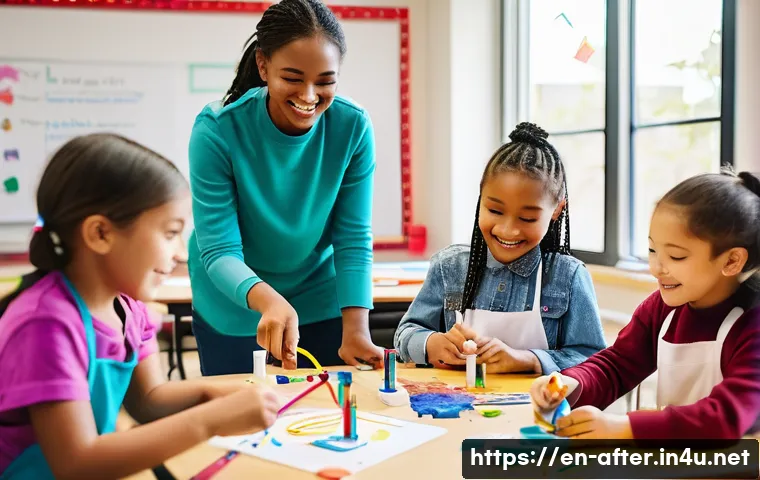
Working as an after-school program coordinator has opened my eyes to the incredible impact these sessions have on young minds. Through specialized training and hands-on workshops, I’ve gained valuable skills that truly enhance my ability to engage and support students effectively.
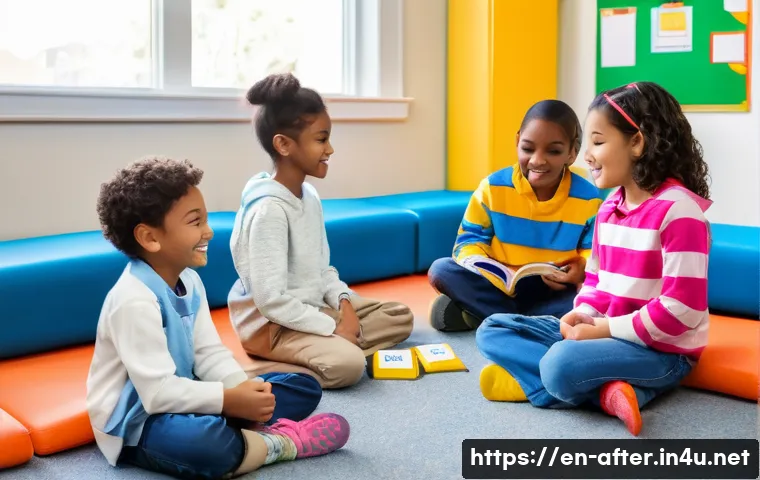
These experiences not only boost my confidence but also help me create a safe and inspiring environment for kids after class. If you’re curious about what goes into preparing for this role or want to know how such training can transform your approach, stay with me.
Let’s dive deeper and uncover the essentials together!
Building Strong Connections with Students
Understanding Individual Needs
Working closely with kids every day, I quickly realized that no two students are alike. The training sessions emphasized the importance of recognizing each child’s unique personality, learning style, and emotional needs.
For instance, some children thrive on group activities, while others prefer quiet, one-on-one interactions. By tuning into these differences, I’ve learned to tailor my approach, making sure every student feels seen and supported.
This not only helps in managing the group effectively but also builds trust, which is crucial for any learning environment.
Creating Engaging and Relevant Activities
One of the biggest takeaways from my workshops was how to design activities that are both fun and educational. Instead of just sticking to a rigid schedule, I now incorporate games, creative arts, and hands-on projects that spark curiosity.
The training highlighted how engagement leads to better retention and positive behavior. For example, after introducing a science experiment related to everyday life, I noticed students became more excited and eager to participate.
This approach makes the after-school program feel less like an obligation and more like a place kids look forward to.
Building a Positive Atmosphere
The importance of fostering a warm and inclusive environment cannot be overstated. The training helped me develop strategies to encourage kindness, cooperation, and respect among students.
I learned to use positive reinforcement effectively, celebrate small achievements, and handle conflicts calmly. These techniques have transformed the atmosphere in my program from chaotic to supportive, where kids feel safe to express themselves and take risks.
This emotional safety net is something I’m proud to have cultivated through what I’ve learned.
Mastering Behavior Management Techniques
Proactive Strategies for Common Challenges
One of the most challenging parts of after-school coordination is managing behavior, and the training really prepared me for this. I learned proactive strategies to prevent disruptions before they start, such as setting clear expectations and routines.
For example, using visual schedules helps students know what’s coming next, reducing anxiety and restlessness. These small but effective tools have made a huge difference in keeping the program running smoothly and minimizing frustration for both students and staff.
De-escalation Skills in Practice
Despite the best planning, moments of tension are inevitable. The workshops included role-playing scenarios that taught me how to calmly de-escalate situations.
I practiced using calm tone, active listening, and offering choices to help children regain control. This hands-on experience boosted my confidence tremendously; I no longer panic when conflicts arise but approach them with patience and empathy.
It’s rewarding to see how these skills not only resolve issues quickly but also teach kids valuable self-regulation techniques.
Collaborating with Parents and Teachers
Behavior management doesn’t stop within the after-school hours. Part of my training focused on effective communication with parents and teachers to ensure consistency.
I learned how to document incidents objectively and share progress or concerns constructively. This collaboration strengthens the support network around each child and allows for a more holistic approach to their development.
From my experience, parents appreciate honest updates, and teachers value the continuity, which ultimately benefits the students.
Developing Leadership and Organizational Skills
Planning Structured Yet Flexible Sessions
The workshops taught me how to balance structure with flexibility—something I initially struggled with. I now start by setting clear goals for each session but remain ready to adapt based on the group’s mood or unexpected changes.
For example, if a planned activity isn’t working, I switch gears without losing momentum. This adaptability keeps kids engaged and helps me stay calm under pressure.
It’s like having a roadmap with multiple routes; knowing when to pivot is key to smooth coordination.
Time Management and Multitasking
Juggling multiple responsibilities can be overwhelming, especially when managing a group of energetic children. The training included practical tips on prioritizing tasks, setting realistic timelines, and delegating when appropriate.
I learned to break down larger projects into manageable steps and use checklists to stay organized. These habits have not only improved my efficiency but also reduced stress.
In real life, this means I can focus more on interacting with the kids instead of scrambling to keep everything under control.
Leading by Example
One unexpected lesson was the power of modeling behavior. Kids pick up on the energy and attitude of their coordinator, so showing enthusiasm, patience, and respect sets the tone.
I’ve made it a point to stay positive and approachable, even on tough days. The training reinforced that leadership isn’t just about giving instructions but inspiring and motivating others through actions.
Seeing students mirror these behaviors has been one of the most fulfilling parts of my role.
Enhancing Safety and Emergency Preparedness
Creating a Secure Environment
Safety is the foundation of any after-school program, and the training drilled this home with practical protocols. I learned how to conduct regular safety checks of the facility, identify potential hazards, and establish clear rules that children understand.
For example, teaching kids about fire drills and emergency exits became a routine part of our sessions. This preparation reassures parents and staff alike and makes sure everyone knows how to act swiftly if needed.
Emergency Response Training
Beyond prevention, I received hands-on training in first aid, CPR, and how to respond to various emergencies. This was intense but invaluable. Having practiced these skills, I feel ready to handle situations calmly rather than panic.
The confidence that comes from knowing what to do in a crisis is a game changer. It also helps me teach kids basic safety habits, empowering them to be proactive about their well-being.
Maintaining Clear Communication Channels
Effective communication during emergencies is crucial. The training emphasized establishing clear lines between staff, parents, and emergency services.
I learned to keep updated contact lists, use walkie-talkies or apps for quick coordination, and communicate calmly and clearly with everyone involved.
This preparation reduces chaos and ensures a timely response, which ultimately protects the children in my care.
Fostering Creativity and Critical Thinking
Incorporating STEAM Activities
One of the most exciting parts of my training was exploring ways to blend science, technology, engineering, arts, and math into after-school programs.
I discovered how simple experiments, coding games, and art projects can stimulate curiosity and problem-solving skills. For example, guiding kids through building a simple robot or painting with unconventional materials sparked incredible enthusiasm.
These activities not only entertain but also prepare children with essential 21st-century skills.
Encouraging Problem-Solving and Collaboration
The workshops encouraged me to design challenges that require teamwork and critical thinking. Whether it’s a group puzzle or a community project, these experiences teach kids to listen, negotiate, and think creatively.
I’ve seen firsthand how these moments boost confidence and communication skills. Plus, the sense of accomplishment when a team solves a problem together creates lasting positive memories.
Balancing Screen Time and Hands-On Learning
In today’s digital age, managing screen time is a tricky but important topic. Training helped me create a balanced schedule that incorporates technology meaningfully without letting it dominate.
For instance, I use educational apps to complement hands-on activities rather than replace them. This approach keeps kids engaged without sacrificing the benefits of tactile learning and social interaction.
Tracking Progress and Measuring Success
Setting Realistic Goals and Benchmarks
One valuable skill I gained was how to set measurable goals for student development and program outcomes. Rather than vague ambitions, I learned to break down progress into specific benchmarks, like improving social skills or completing projects.
This clarity helps me stay focused and track growth over time. It also provides concrete evidence to share with parents and administrators, showcasing the program’s impact.
Using Feedback to Improve Programs
Feedback from students, parents, and colleagues is a goldmine for continuous improvement. The training taught me how to collect and interpret this input effectively.
For example, anonymous surveys and informal check-ins reveal what’s working and what needs tweaking. By acting on feedback, I’ve been able to adjust activities and communication styles, making the program more responsive and enjoyable.
Documenting Achievements and Challenges
Keeping detailed records is more than just administrative work—it’s a tool for reflection and growth. I learned to document successes and challenges systematically, which helps in planning future sessions and identifying trends.
This habit has made me more mindful of my practices and allowed me to celebrate milestones with the kids, reinforcing positive behavior and motivation.
| Training Component | Key Skills Learned | Real-World Application |
|---|---|---|
| Behavior Management | Proactive strategies, de-escalation, parent communication | Reduced conflicts, stronger partnerships with families |
| Leadership & Organization | Planning, time management, modeling behavior | Smoother sessions, positive role modeling for kids |
| Safety & Emergency Preparedness | Safety protocols, first aid, communication | Secure environment, confident emergency response |
| Creativity & Critical Thinking | STEAM activities, teamwork, screen time balance | Engaged learners, enhanced problem-solving skills |
| Progress Tracking | Goal setting, feedback use, documentation | Continuous improvement, evidence of success |
Closing Thoughts
Building strong connections with students goes beyond just managing activities—it’s about creating an environment where every child feels valued and supported. Through understanding individual needs, fostering engagement, and maintaining safety, after-school programs can truly enrich young lives. My experience has shown that thoughtful leadership and open communication are key to success. Ultimately, these skills not only improve the program but also leave a lasting positive impact on the children.
Useful Information to Keep in Mind
1. Consistently observe and adapt to each student’s unique learning style to foster better engagement and trust.
2. Incorporate creative, hands-on activities that connect learning with real-life experiences to boost enthusiasm.
3. Use proactive behavior management techniques and clear communication to maintain a positive and safe environment.
4. Balance structured planning with flexibility to handle unexpected changes smoothly during sessions.
5. Regularly gather and act on feedback from students, parents, and colleagues to continuously improve the program.
Key Takeaways for Effective After-School Coordination
Successful after-school coordination relies on understanding students’ individual needs and creating a supportive atmosphere that encourages learning and growth. Employing proactive behavior strategies and strong communication with families ensures consistency and trust. Leadership skills, including flexible planning and positive role modeling, help maintain engagement and order. Safety preparedness and emergency readiness are essential to protect everyone involved. Finally, tracking progress through clear goals and feedback drives continuous improvement, making the program more effective and rewarding for all participants.
Frequently Asked Questions (FAQ) 📖
Q: What kind of specialized training is typically required to become an effective after-school program coordinator?
A: Generally, training for after-school program coordinators includes child development, behavior management, and safety protocols. Many programs also offer workshops on creating engaging activities and fostering inclusive environments.
From my experience, hands-on workshops where you interact directly with children and practice real scenarios made the biggest difference in building confidence and practical skills.
It’s not just theory; it’s about preparing for the unpredictable moments that come with working closely with kids.
Q: How does this training improve the ability to engage and support students?
A: The training equips coordinators with tools to understand each child’s unique needs and learning styles. For instance, after going through specialized sessions, I learned how to design activities that spark curiosity and encourage teamwork.
This makes the sessions more enjoyable and meaningful for the kids. Plus, training in conflict resolution helps manage challenging behaviors calmly, which creates a safer, more supportive space where students feel valued and motivated to participate.
Q: Can after-school program coordinator training help create a more inspiring environment for children?
A: Absolutely! One of the biggest takeaways from my training was learning how to set a positive tone and build trust with students. When coordinators are well-prepared, they can foster an environment that’s not only safe but also stimulating and welcoming.
I noticed that when I applied what I learned—like incorporating creative projects and encouraging open communication—the kids became more enthusiastic and eager to learn.
It’s rewarding to see how a thoughtfully prepared program can truly inspire children beyond the classroom.