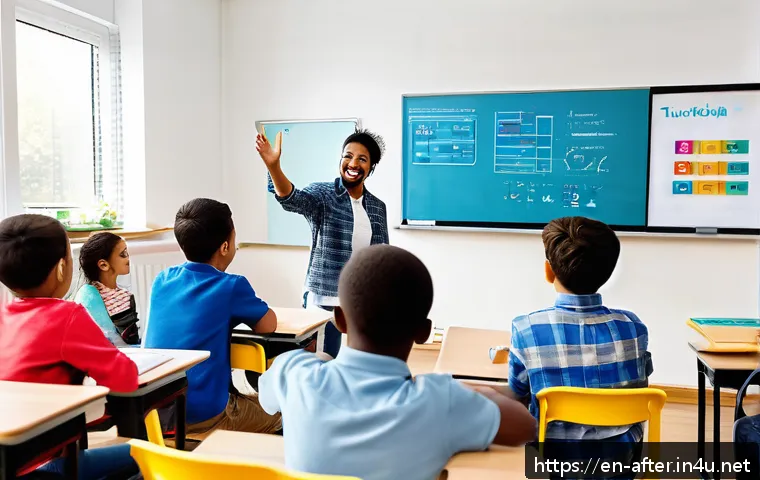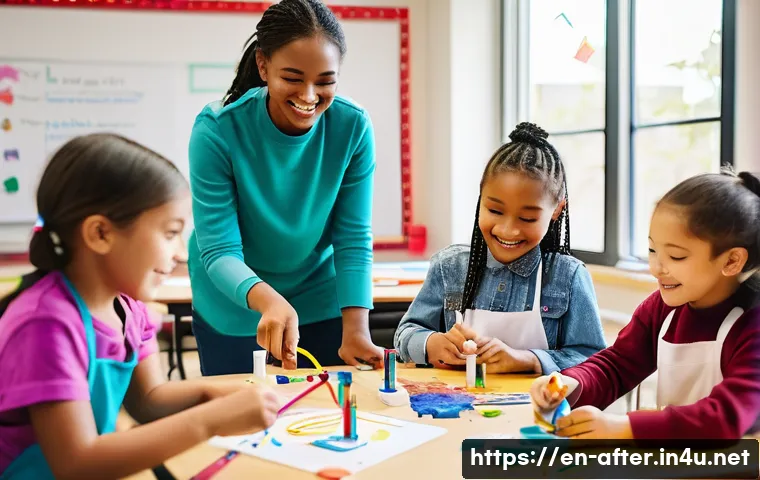
Working as an after-school program leader means juggling a variety of challenges daily, from managing diverse student needs to handling unexpected situations with calm and creativity.
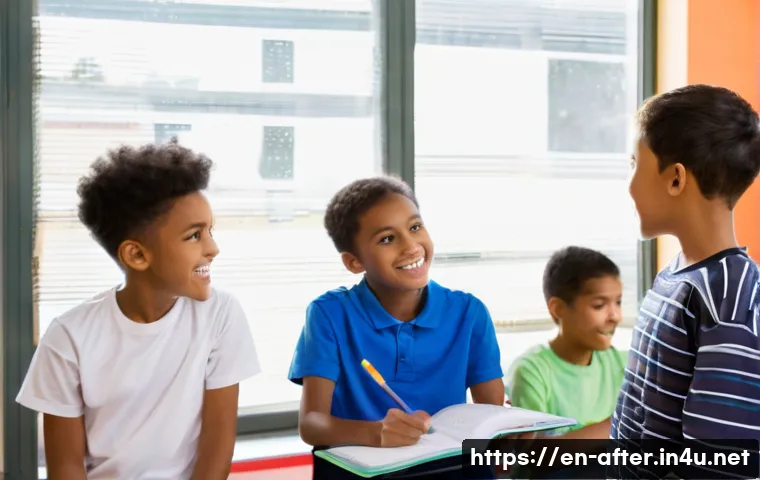
Developing strong problem-solving skills not only makes your job smoother but also builds trust and respect among students and parents alike. I’ve found that honing these abilities transforms stressful moments into opportunities for growth and connection.
Whether it’s resolving conflicts or adapting activities on the fly, effective problem-solving is truly a game-changer. Let’s dive into the details and explore how you can sharpen these essential skills!
Building Confidence Through Real-Time Decision Making
Learning to Trust Your Instincts
Every after-school program leader quickly realizes that waiting for perfect conditions is a luxury that doesn’t exist in this line of work. When a conflict erupts between students or an activity suddenly falls apart, your gut reaction often becomes your best tool.
Over time, I’ve learned that trusting my instincts—paired with experience—helps me respond more swiftly and effectively. It’s like developing a sixth sense that tells you when to step in, when to give space, and when to creatively pivot an activity without missing a beat.
This trust in your own judgment not only helps calm the room but also sends a message to students that you’re a reliable leader they can count on.
Adapting Plans on the Fly
One of the trickiest parts of leading after-school programs is that no two days are ever the same. Whether the weather suddenly changes outdoor plans or a scheduled guest speaker cancels, flexibility is key.
I’ve found that having a mental backup plan for each activity saves me from scrambling and keeps kids engaged and happy. When you practice adjusting your plans on the fly, you start to see these curveballs as exciting chances to innovate rather than stressful disruptions.
This mindset shift has made my daily challenges feel less daunting and more like creative puzzles waiting to be solved.
Keeping Calm Amid Chaos
Maintaining composure when things spiral out of control isn’t easy, but it’s essential. I remember a time when a disagreement between kids escalated quickly during a game, and the noise and tension made it feel overwhelming.
Instead of reacting emotionally, I took a deep breath, lowered my voice, and calmly guided the kids through resolving their issue. This not only de-escalated the situation but also modeled emotional regulation for the students.
Staying calm under pressure reassures everyone involved and sets the tone for a respectful environment.
Effective Communication as a Problem-Solving Tool
Active Listening to Understand Needs
One of the most powerful ways to solve problems is by truly hearing what students and parents are saying. Active listening goes beyond just hearing words—it’s about paying attention to feelings, body language, and underlying concerns.
In my experience, when I genuinely listen, it builds trust and opens doors for collaborative problem-solving. For example, a student might act out because they feel unheard or frustrated; by acknowledging their emotions first, you can address the root cause rather than just the behavior.
Clear and Positive Language
How you phrase things can make all the difference. I’ve noticed that framing feedback or instructions in a positive, clear way encourages cooperation instead of resistance.
Instead of saying, “Don’t run inside,” try, “Please walk while we’re indoors to keep everyone safe.” This subtle shift helps kids understand expectations without feeling reprimanded.
Consistent use of positive language also fosters a welcoming atmosphere where students feel respected and motivated.
Building Bridges with Parents
Parents are key partners in creating a successful after-school experience. When problems arise, open and honest communication with parents can prevent misunderstandings and build stronger relationships.
I always try to share not just concerns but also positive observations, so parents know their child’s strengths as well as areas for growth. This balanced approach makes it easier to collaborate on solutions and shows that you genuinely care about each child’s well-being.
Creative Conflict Resolution Strategies
Teaching Empathy Through Role-Playing
One of the most effective ways I’ve found to resolve conflicts is by helping kids see things from others’ perspectives. Role-playing exercises can be fun and eye-opening, allowing students to step into each other’s shoes.
When children experience what it feels like to be on the receiving end of certain actions or words, they often develop greater empathy and are more motivated to change their behavior.
This technique not only solves immediate disputes but also builds long-term social skills.
Establishing Clear Rules and Consequences
Setting clear, consistent rules is foundational to preventing and resolving conflicts. In my program, we create simple, easy-to-remember guidelines together with the kids, which gives them ownership and a sense of responsibility.
When rules are broken, I apply consequences fairly and calmly, always explaining the reason behind them. This transparency reduces power struggles and helps children understand the link between actions and outcomes.
Facilitating Peer Mediation
Empowering students to mediate conflicts among themselves is a great way to build leadership and problem-solving skills. I’ve trained a few responsible kids to act as peer mediators who can step in to help classmates work through disagreements constructively.
This not only lightens my load but also fosters a supportive community where students feel equipped to handle challenges independently.
Organizational Skills to Prevent Problems
Planning Ahead with Detailed Schedules
A well-structured schedule can prevent a lot of headaches. I’ve learned that planning every segment of the after-school program down to the minute helps avoid downtime, which often leads to chaos or misbehavior.
Having a clear timeline for activities, snacks, transitions, and free time ensures that kids know what to expect and stay engaged. It also gives me a framework to quickly identify when something is off and adjust accordingly.
Preparing Materials in Advance
Nothing throws off a program faster than scrambling for supplies at the last minute. I always prepare all materials and equipment well before the session starts.

This small habit has saved me from awkward delays and helped maintain smooth transitions. Plus, having everything organized boosts my confidence and allows me to focus more on interacting with the kids rather than logistics.
Creating a Safe and Welcoming Environment
An organized space contributes to fewer accidents and disruptions. I make sure the after-school area is tidy, with clear zones for different activities.
This physical order sends a message to students about expectations and respect for the environment. It also makes it easier to spot potential hazards or conflicts early, giving me a chance to intervene before problems escalate.
Utilizing Technology for Efficient Problem Solving
Digital Tools for Communication
In today’s world, leveraging technology can streamline communication with parents and staff. I use messaging apps and online calendars to send updates, share schedules, and quickly address concerns.
This immediacy reduces misunderstandings and keeps everyone in the loop, which is especially helpful when last-minute changes occur.
Apps for Behavior Tracking and Reporting
I’ve started using behavior tracking apps to monitor patterns and identify triggers for challenging behaviors. These tools help me keep detailed records and generate reports that I can share with parents and counselors.
Having concrete data makes problem-solving more objective and focused, allowing for tailored strategies that really work.
Interactive Learning Platforms
Technology also offers creative ways to engage students and solve educational challenges. Interactive apps and games can be adapted on the spot to suit different skill levels or interests, keeping kids motivated and reducing behavioral issues caused by boredom.
Incorporating tech thoughtfully has been a game-changer in maintaining a dynamic and inclusive environment.
Reflective Practices for Continuous Improvement
Journaling Daily Experiences
Taking time to jot down daily wins and challenges has helped me become a more mindful leader. When I reflect on what went well and what didn’t, patterns emerge that guide my problem-solving approach.
This habit turns everyday situations into valuable learning moments and keeps me focused on growth rather than frustration.
Seeking Feedback from Students and Parents
Regularly asking for input from the people directly involved provides fresh perspectives and uncovers blind spots. I’ve found that students appreciate having a voice in shaping the program, and parents feel more connected when their opinions are valued.
This feedback loop strengthens trust and helps me fine-tune solutions that truly meet everyone’s needs.
Collaborating with Fellow Leaders
No leader works in isolation. Sharing experiences and strategies with colleagues has been invaluable for expanding my problem-solving toolkit. Sometimes just talking through a tough situation with someone who understands the context sparks new ideas or reassures you that you’re on the right track.
Building a supportive network has made all the difference in navigating the complexities of after-school leadership.
| Problem-Solving Strategy | Key Benefits | Practical Example |
|---|---|---|
| Trusting Instincts | Faster response times, increased confidence | Quickly calming a heated argument between students |
| Active Listening | Builds trust, uncovers root causes | Identifying a child’s frustration behind disruptive behavior |
| Role-Playing | Enhances empathy, reduces conflicts | Students acting out each other’s perspectives to resolve disputes |
| Organized Scheduling | Reduces downtime, prevents misbehavior | Creating a minute-by-minute plan for after-school activities |
| Technology Use | Improves communication, tracks behavior | Using apps to notify parents about schedule changes or behavior trends |
| Reflective Journaling | Promotes growth, identifies patterns | Reviewing daily challenges to improve future responses |
In Conclusion
Building confidence through real-time decision making is essential for effective leadership in after-school programs. Trusting your instincts, communicating clearly, and staying adaptable help create a positive environment where both students and leaders thrive. By embracing challenges as opportunities, you not only grow personally but also foster a supportive space for everyone involved.
Useful Information to Keep in Mind
1. Trust your instincts to respond quickly and confidently in unexpected situations, making your leadership more effective and reliable.
2. Active listening helps uncover the true needs behind behaviors, building trust and enabling better problem-solving with students and parents.
3. Using positive language encourages cooperation and creates a respectful atmosphere where children feel valued and motivated.
4. Planning detailed schedules and preparing materials in advance reduce downtime and prevent disruptions, keeping activities running smoothly.
5. Incorporating technology for communication and behavior tracking enhances efficiency and helps tailor solutions to individual student needs.
Key Takeaways for Successful Leadership
Effective after-school leadership depends on a balance of quick decision-making, clear communication, and adaptability. Developing empathy through creative conflict resolution and maintaining an organized, safe environment support positive interactions and minimize problems. Leveraging technology and reflective practices further strengthen your ability to meet challenges with confidence, fostering growth for both you and your students.
Frequently Asked Questions (FAQ) 📖
Q: What are some effective strategies for resolving conflicts among students in an after-school program?
A: From my experience, the key is to listen actively to each student’s perspective without rushing to judgment. I’ve found that encouraging open communication helps students feel heard and understood, which often calms tensions.
Using techniques like mediation, where students express their feelings and work toward a compromise, can turn conflicts into valuable learning moments.
Also, setting clear behavior expectations from the start creates a foundation that prevents many issues before they escalate.
Q: How can I quickly adapt activities when unexpected challenges arise during the program?
A: Flexibility is crucial in these situations. I’ve learned to always have a backup plan or alternative activity ready, whether it’s a quieter game, a creative project, or a simple group discussion.
Observing students’ moods and energy levels helps me choose the best option on the spot. Sometimes, turning a problem into a collaborative challenge—like brainstorming solutions together—engages the kids and makes the shift feel natural rather than disruptive.
Q: How do strong problem-solving skills improve relationships with parents and students?
A: When you handle challenges calmly and effectively, parents notice your competence and commitment, which builds their trust. I’ve had many parents express appreciation for how I manage tricky situations with patience and creativity.
For students, seeing you navigate problems without frustration models positive behavior and builds respect. This mutual trust creates a supportive environment where everyone feels valued and confident, making the program a positive experience for all.