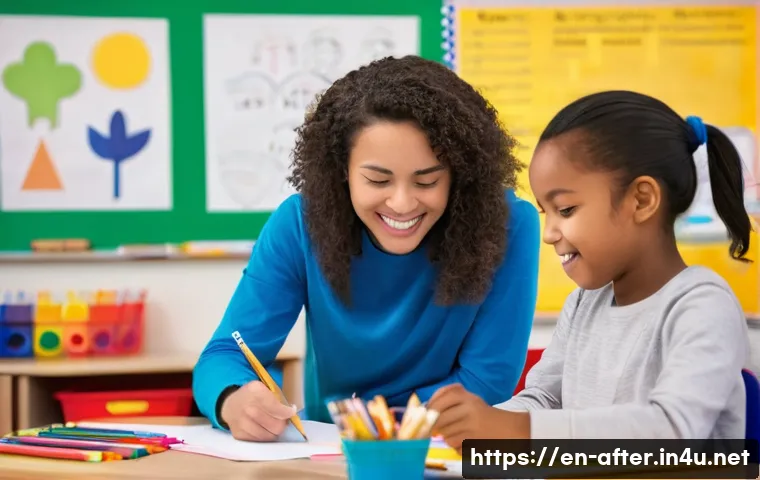
With after-school programs becoming a vital part of children’s daily routines, creating engaging and effective lesson plans is more important than ever.
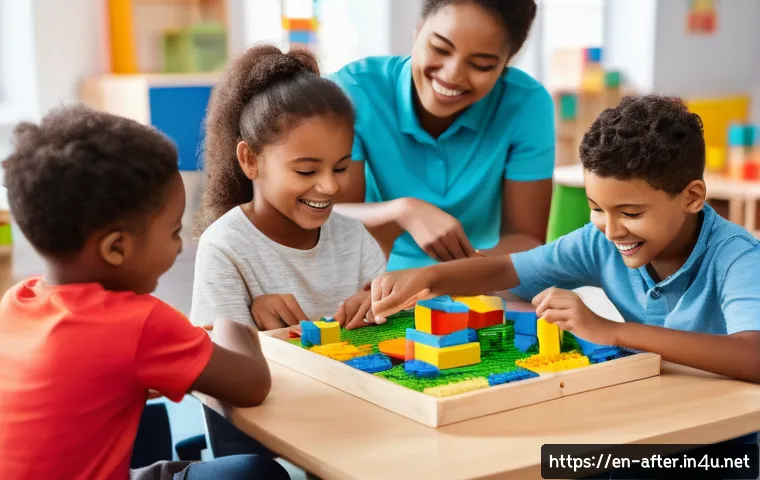
Whether you’re a teacher, coordinator, or volunteer, having a clear, step-by-step guide can transform your sessions from routine to remarkable. Recently, educators are focusing on activities that balance fun with learning, boosting both social skills and academic growth.
If you’ve ever struggled with keeping kids interested or managing diverse needs, this guide is designed with you in mind. Let’s dive into practical strategies that not only captivate young minds but also make your planning smoother and more rewarding.
Stick around—you’ll find tips that can truly elevate your after-school program experience.
Crafting Dynamic Lesson Plans That Spark Curiosity and Growth
Understanding Your Group’s Unique Needs
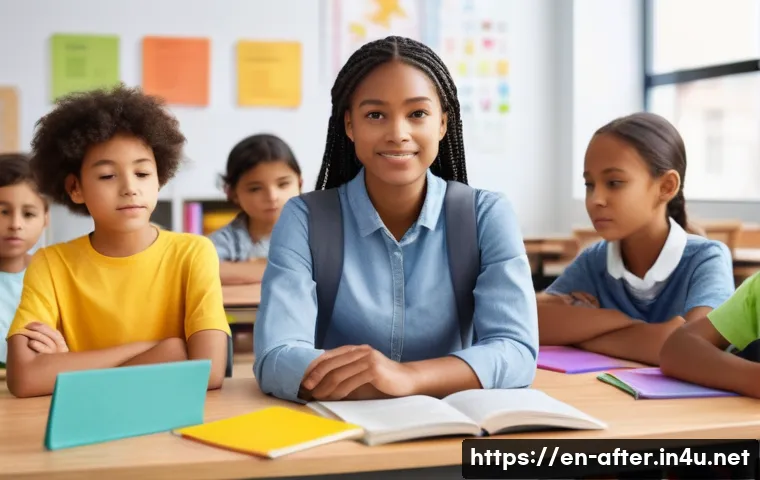
Every after-school group is a little world of its own, bursting with different personalities, interests, and energy levels. The first step to creating an engaging lesson plan is really getting to know the kids.
This means observing how they interact, what excites them, and where they might struggle. For example, some children may thrive with hands-on activities while others prefer quiet reflection or storytelling.
Tailoring your plan to fit these diverse preferences not only keeps the energy positive but also fosters a sense of belonging and confidence among the kids.
When you take the time to listen and adapt, the sessions feel less like a rigid schedule and more like a personalized adventure.
Balancing Fun and Educational Value
One of the toughest challenges in after-school programming is weaving learning seamlessly into fun. Kids are naturally drawn to play, so the trick is to design activities that sneak in educational content without feeling like a classroom drill.
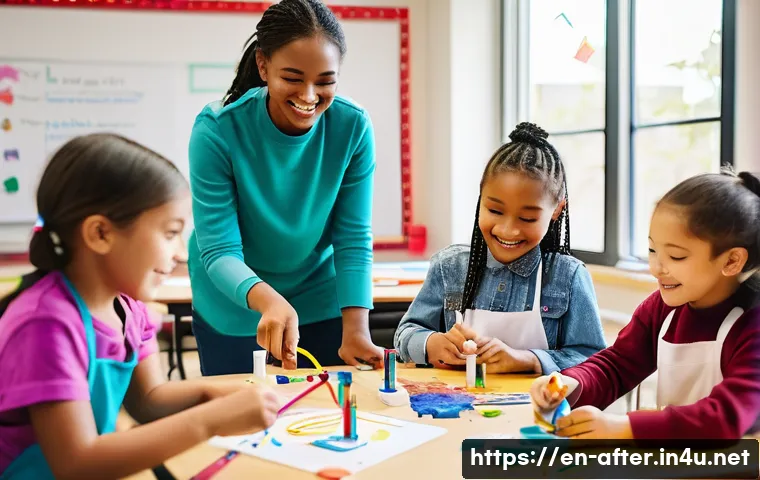
For instance, a science experiment with colorful reactions or a creative writing game can simultaneously boost curiosity and skills. I’ve found that mixing in elements like storytelling, movement, or even friendly competition keeps kids engaged for longer stretches.
This balance helps maintain their enthusiasm while ensuring they walk away with something meaningful, whether it’s a new vocabulary word or a teamwork lesson.
Setting Clear, Flexible Objectives
It’s tempting to write detailed, rigid lesson goals, but flexibility is key. Setting clear objectives gives you a roadmap, but you also want to leave room to pivot if the group’s mood or energy shifts.
For example, you might plan to cover a particular math concept but notice the kids are restless, so you switch to a kinesthetic game that reinforces the same idea.
Having a few backup activities or ways to modify your plan helps keep things smooth and prevents frustration on both sides. From my experience, being adaptable is as important as being prepared—sometimes the best moments happen when you go off-script.
Strategies to Maintain Attention and Foster Engagement
Incorporating Movement and Breaks
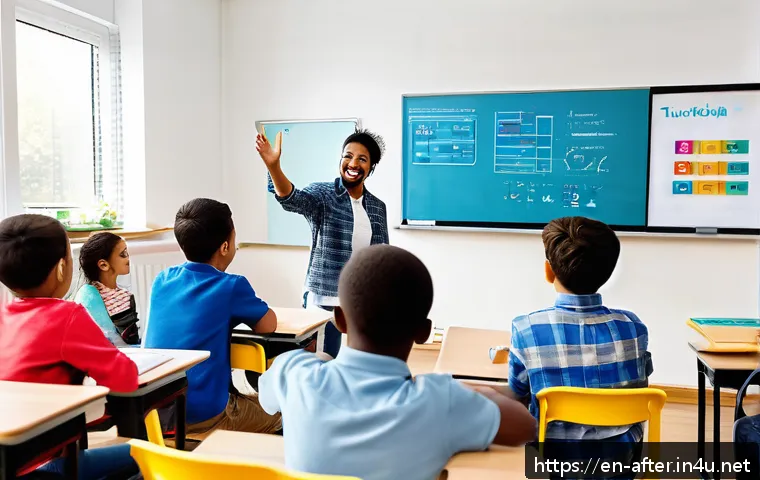
Kids, especially younger ones, have limited attention spans, so integrating physical activity is a game changer. Short bursts of movement—like stretching, dancing, or quick games—refresh their focus and reduce restlessness.
I’ve noticed that when kids get a chance to move between learning segments, they come back more ready to concentrate. These breaks don’t have to be long or complicated; even a two-minute “shake it out” session can make a big difference.
Planning your lesson flow with these pauses in mind helps keep energy balanced and prevents burnout.
Using Visual and Interactive Materials
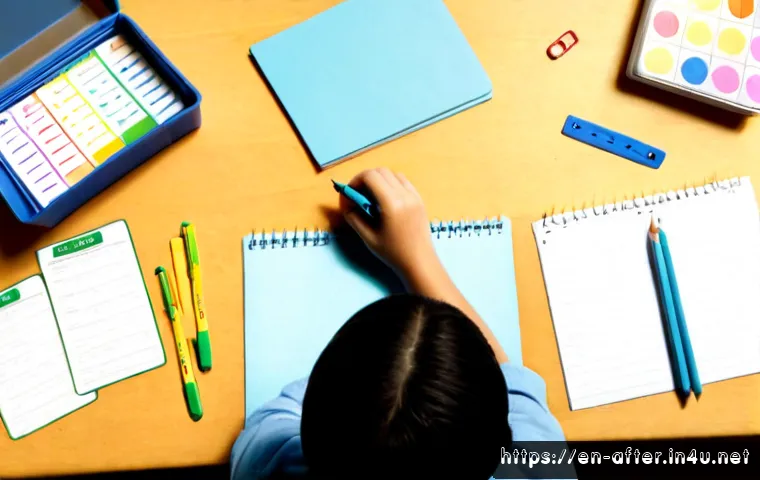
Visual aids and interactive tools can transform a dry topic into something vivid and memorable. Posters, flashcards, or digital presentations add color and variety, making abstract ideas more concrete.
For example, using storyboards or drawing exercises can help kids visualize sequences or concepts. When possible, incorporating tactile materials like building blocks or puzzles lets children engage multiple senses, which enhances understanding and retention.
In my sessions, kids often light up when they get to manipulate materials themselves rather than just listen or watch.
Encouraging Peer Collaboration
Group activities that promote teamwork not only build social skills but also deepen learning through shared experiences. Pairing or grouping kids for projects or games encourages communication, problem-solving, and empathy.
I’ve seen shy students become more confident when paired with supportive peers, and energetic kids learn patience and cooperation. To facilitate this, I prepare clear roles or tasks within the group so everyone feels included and responsible.
These moments of collaboration often spark spontaneous creativity and make sessions more lively and meaningful.
Adapting to Different Age Groups and Learning Styles
Age-Appropriate Content and Challenges
What works for a group of 6-year-olds won’t necessarily fly with tweens or teens. Younger kids often need more concrete, sensory-based activities, while older children appreciate challenges that stretch their critical thinking or creativity.
I always start by considering developmental stages and adjusting the complexity of instructions and materials accordingly. For instance, a storytelling session might involve picture prompts for younger kids but turn into scriptwriting or debate for older ones.
Matching the content to their cognitive and emotional maturity keeps kids engaged without frustration or boredom.
Recognizing and Supporting Different Learning Styles
Kids absorb information in various ways—some are visual learners, others auditory or kinesthetic. A lesson plan that leans heavily on one style might leave some children behind.
Incorporating a mix of teaching methods ensures everyone has a chance to shine. For example, you might explain a concept verbally, show related images, and then let kids act it out or create something hands-on.
I’ve found this approach not only boosts understanding but also keeps the energy dynamic and inclusive, helping kids discover their strengths and preferences.
Adjusting Pace and Expectations
Not every child learns at the same speed, and that’s perfectly okay. It’s important to build flexibility into your lesson plans to accommodate quick learners as well as those who need more time or support.
This might mean having extension activities ready for kids who finish early or breaking down tasks into smaller, manageable steps for others. When I’ve practiced this, kids tend to feel less pressure and more motivation because they can work at their own pace without feeling left behind or bored.
Incorporating Technology Thoughtfully in After-School Lessons
Selecting Age-Appropriate Digital Tools
Technology can be a fantastic asset when used wisely, but it needs to be age-appropriate and purposeful. For younger children, simple apps that encourage creativity or basic coding games can be exciting and educational.
For older kids, tools like collaborative platforms or multimedia projects can enhance learning and engagement. I always vet digital resources carefully, focusing on those that promote active participation rather than passive consumption.
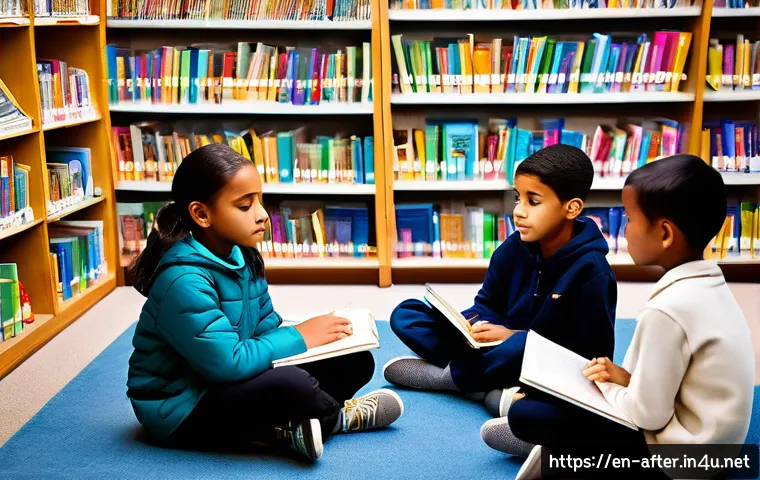
Using tech as a tool rather than a babysitter keeps the sessions interactive and relevant.
Balancing Screen Time with Hands-On Activities
While screens offer convenience and variety, too much can lead to fatigue or distraction. I make it a point to balance tech use with offline activities, ensuring kids get a mix of experiences.
For example, after a digital storytelling exercise, I might follow up with a drawing or role-playing session to reinforce concepts. This balance helps maintain attention and caters to different learning preferences, keeping the overall program vibrant and healthy.
Preparing for Technical Challenges
Tech glitches are inevitable, so having a backup plan is crucial. I always prepare alternative activities that don’t require devices, just in case Wi-Fi fails or software crashes.
This readiness prevents downtime and keeps kids engaged instead of frustrated. Over time, I’ve learned that a flexible mindset and a well-stocked activity toolkit are the best defense against unexpected tech hiccups.
Practical Time Management for Smooth Session Flow
Breaking Down the Session Into Manageable Segments
Kids respond well to structure, but long stretches of the same activity can lead to restlessness. Dividing your session into smaller blocks—such as a warm-up, main activity, and cool-down—helps maintain focus and energy.
I usually plan for varied pacing, mixing active and calm moments to keep things fresh. This approach also allows for natural transitions and gives kids a sense of accomplishment as they move through different parts of the lesson.
Incorporating Transition Activities
Moving smoothly from one activity to another can be tricky, especially with energetic groups. Transition activities—like a quick game, a song, or a group discussion—help reset attention and prepare kids for what’s next.
I’ve noticed that these moments also provide valuable social interaction and give you a chance to assess how the group is doing. Planning transitions thoughtfully can turn what might be chaotic moments into opportunities for connection and reflection.
Allowing Time for Reflection and Feedback
Ending sessions with a brief reflection encourages kids to process what they’ve learned and share their thoughts. This might be a group chat, drawing their favorite part, or a quick journal entry.
I’ve found that reflection not only reinforces learning but also builds communication skills and self-awareness. Plus, it gives you insights into what worked well and what might need tweaking for next time.
Utilizing Resources and Community to Enrich Lessons
Leveraging Local Libraries and Museums
Local cultural and educational institutions are treasure troves for after-school programs. Many libraries and museums offer free or low-cost resources, workshops, and materials that can enhance your lesson plans.
I’ve taken groups on field trips or invited guest speakers from these places, which always sparks excitement and curiosity. Even if you can’t visit in person, many institutions provide virtual tours or downloadable content that you can incorporate.
Building Partnerships with Parents and Volunteers
Engaging parents and volunteers adds layers of support and expertise to your program. Parents can provide insight into their child’s interests and needs, while volunteers often bring fresh energy and skills.
I encourage open communication and invite volunteers to lead special activities or assist with supervision. This collaborative approach not only lightens your load but also creates a richer, more connected experience for the kids.
Utilizing Online Communities and Teaching Platforms
There’s a wealth of lesson ideas, templates, and forums online where educators share what’s worked for them. I often turn to these communities for inspiration or troubleshooting.
Platforms dedicated to after-school programming can save you time and introduce you to innovative approaches you might not have considered. Just remember to adapt shared resources to fit your unique group and context for the best results.
Sample Lesson Plan Structure for a Balanced Session
| Segment | Activity Type | Duration | Purpose |
|---|---|---|---|
| Warm-up | Icebreaker game or movement activity | 10 minutes | Build rapport, energize group |
| Main Lesson | Hands-on project or interactive lesson | 30 minutes | Engage learning objectives |
| Break | Physical activity or snack time | 10 minutes | Refresh focus and energy |
| Group Collaboration | Team activity or discussion | 20 minutes | Foster social skills and deepen understanding |
| Reflection | Group sharing or journaling | 10 minutes | Encourage self-expression and feedback |
Closing Thoughts
Creating lesson plans that truly engage and inspire after-school groups requires flexibility, creativity, and a deep understanding of each child’s needs. When you blend fun with meaningful learning and remain adaptable, you set the stage for growth and curiosity. Remember, the best lessons are those that feel like an adventure tailored just for your group.
Useful Tips to Keep in Mind
1. Observe and listen carefully to your group’s dynamics before planning to ensure activities resonate with their interests and energy levels.
2. Mix educational content with playful elements like games or storytelling to maintain enthusiasm and deepen learning.
3. Always have flexible objectives and backup plans to smoothly adjust when the group’s mood or pace changes.
4. Use a variety of teaching methods—visual, auditory, and kinesthetic—to reach every learner effectively.
5. Balance technology use with hands-on activities and prepare for technical issues to keep sessions running seamlessly.
Key Takeaways
Understanding your audience, balancing fun with learning, and staying adaptable are essential for crafting impactful after-school lessons. Incorporating movement, collaboration, and reflection enhances engagement and retention. Thoughtful use of technology and solid time management further contribute to smooth, dynamic sessions. Lastly, leveraging community resources and maintaining open communication enriches the overall experience for both educators and children alike.
Frequently Asked Questions (FAQ) 📖
Q: How can I keep children engaged during after-school lessons without overwhelming them?
A: From my experience, the key is to mix short, dynamic activities with moments of calm. Kids have limited attention spans, so alternating between hands-on projects, interactive games, and quiet reflection or reading time works wonders.
Also, involving them in choosing activities can boost their interest because they feel a sense of ownership. Remember, it’s not about cramming too much but about making each segment meaningful and fun.
Q: What strategies help manage a group with different ages and learning styles?
A: It can definitely be challenging to address diverse needs in one session. I’ve found that creating flexible lesson plans with tiered activities helps a lot.
For example, you can prepare a core task that everyone does, then offer extension challenges for older or more advanced kids and simplified options for younger or less confident participants.
Pairing kids in mixed-age buddy systems often encourages peer learning and social skills too, which adds another layer of support.
Q: How do I balance educational content with fun to ensure both social and academic growth?
A: Balancing fun and learning is all about designing activities that naturally integrate both. For instance, science experiments, group storytelling, or creative arts can teach concepts while encouraging teamwork and communication.
When I personally included games that required problem-solving or collaboration, I noticed kids stayed excited and absorbed the lessons better. The secret is to make learning feel like an adventure, not a chore.