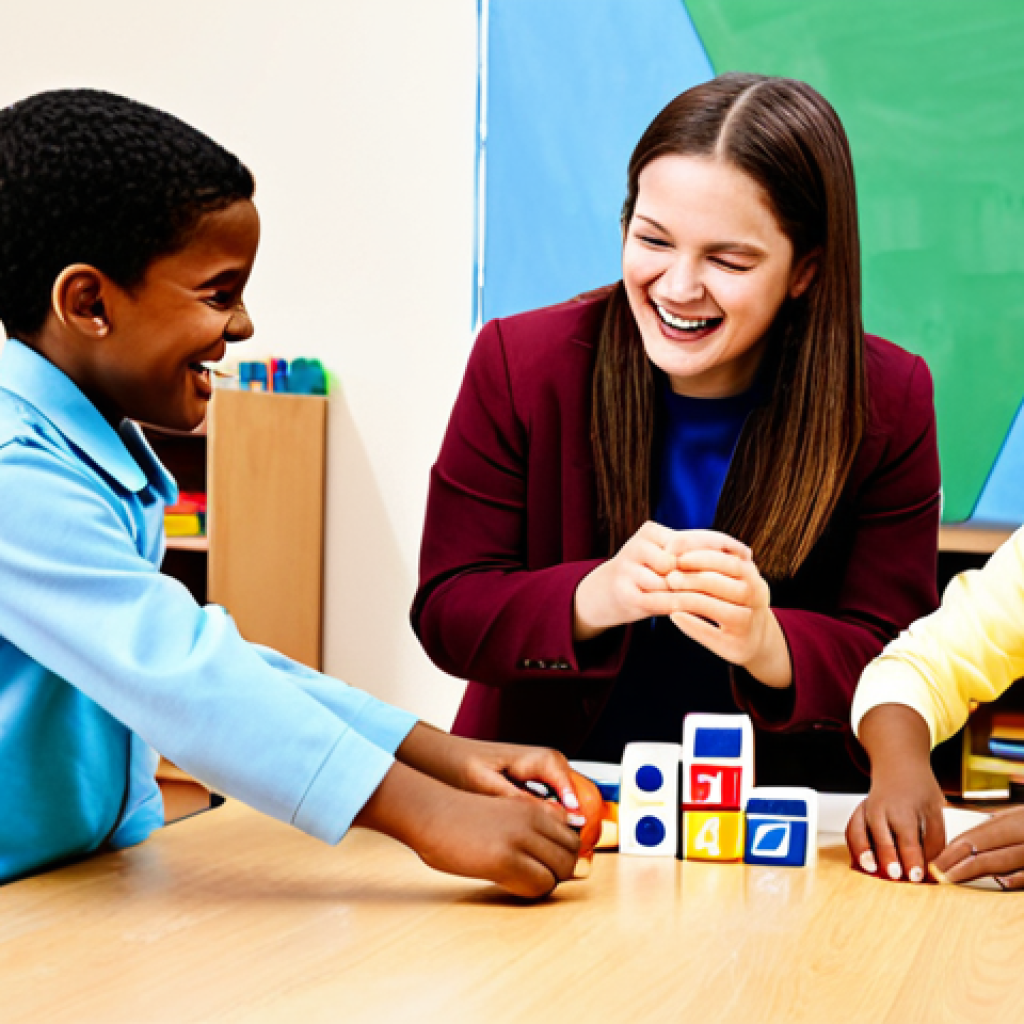
After-school programs are crucial for children’s development, and the instructors who guide these programs play a vital role in shaping young minds. From my own experiences volunteering at a local community center, I’ve seen firsthand how understanding a child’s emotional and psychological landscape can make a huge difference.
It’s not just about supervising homework; it’s about creating a supportive environment where kids feel safe to explore their interests and develop socially.
The field of child psychology offers valuable insights into how children learn, behave, and interact with the world, information that’s priceless for anyone working with kids.
Let’s delve into the relationship between after-school instruction and child psychology; you’ll certainly learn a thing or two!
Alright, let’s get this blog post rolling!
Unlocking Potential: How Understanding Child Development Transforms After-School Instruction
After-school programs are about more than just keeping kids busy until their parents get off work. They’re fertile grounds for fostering growth, sparking curiosity, and building confidence. But how do you truly unlock a child’s potential? It starts with understanding how their minds work. Child psychology provides a roadmap, offering insights into cognitive, emotional, and social development. Knowing where a child is developmentally allows instructors to tailor their approach, creating a more engaging and effective learning experience. It’s like having a secret weapon – the power to connect with each child on a deeper level, fostering genuine growth and positive change. From my own experience volunteering at the local YMCA, I’ve seen the positive impacts of simply knowing the age group you’re dealing with and what their emotional hot buttons are.
Creating Emotionally Safe Spaces
Kids need to feel safe to learn and explore. Understanding child psychology helps instructors create that safe space. It’s about recognizing signs of stress, anxiety, or bullying and knowing how to intervene effectively. It involves teaching kids emotional regulation skills, helping them identify and manage their feelings in healthy ways. I remember one little girl, Sarah, who would always withdraw during group activities. Turns out, she was terrified of making mistakes and being laughed at. Once we created a “mistake-friendly zone” where errors were seen as learning opportunities, Sarah blossomed, becoming an active and confident participant. It really wasn’t anything special we did; it was just about making her feel like she was worthy enough to be there!
Tailoring Activities to Developmental Stages
A one-size-fits-all approach simply doesn’t work in after-school settings. What engages a 6-year-old will likely bore a 10-year-old. Child psychology helps instructors understand the cognitive abilities and interests specific to each age group. For younger kids, that might mean incorporating play-based learning and hands-on activities. For older kids, it could involve project-based learning, group discussions, and opportunities for leadership development. It’s about meeting kids where they are, providing them with challenges that are both stimulating and achievable. I once tried to teach a group of seven-year-olds to play chess, and boy, did that bomb. The next week, I brought out board games more suited to their age, like “Candy Land” and “Hi-Ho! Cherry-O,” and they were all so happy and having fun; I felt terrible!
Behavioral Insights: Turning Challenges into Opportunities
Ever dealt with a child who consistently disrupts the group, or one who struggles to follow directions? Child psychology provides valuable insights into the underlying causes of these behaviors. It’s not about labeling kids as “bad” or “difficult,” but rather about understanding the unmet needs or underlying challenges driving their actions. By understanding the root causes, instructors can develop effective strategies to manage challenging behaviors and create a more positive and productive environment for everyone. Honestly, I feel like half of my time in any children’s program is spent managing the problem child, but that’s okay, because if I can get through to them, I can get through to anyone.
Positive Reinforcement Techniques
Forget the time-out corner; positive reinforcement is where it’s at! Child psychology teaches us that rewarding positive behaviors is far more effective than punishing negative ones. This could involve verbal praise, small rewards, or simply acknowledging a child’s efforts and progress. The key is to be specific and genuine in your praise. Instead of saying “Good job,” try saying “I really appreciate how you helped your classmate with that math problem – that was very kind of you!”
Understanding the “Why” Behind the Behavior
Before reacting to a challenging behavior, take a moment to consider the “why” behind it. Is the child acting out because they’re feeling anxious? Are they seeking attention because they feel ignored? Are they struggling to understand the instructions? By understanding the underlying cause, you can respond in a way that addresses the child’s needs and helps them develop healthier coping mechanisms. This is not to say that we should excuse bad behavior, but rather that we should understand it.
Boosting Engagement: Creating Fun and Effective Learning Experiences
Let’s face it, after-school programs compete with video games, social media, and a whole host of other distractions. To keep kids engaged, instructors need to create learning experiences that are fun, interactive, and relevant to their interests. Child psychology offers insights into what motivates children, how they learn best, and how to design activities that capture their attention and spark their curiosity. We want to get them off the iPads and into the real world. They’re not going to get anywhere with their eyes glued to the screen!
Play-Based Learning for All Ages
Play isn’t just for preschoolers! Incorporating games, simulations, and hands-on activities can make learning more engaging and memorable for kids of all ages. Play allows kids to explore new ideas, experiment with different roles, and develop problem-solving skills in a low-pressure environment. Plus, it’s just plain fun! I have found that when you gamify any kind of exercise, children immediately are more interested in participating.
Catering to Different Learning Styles
Every child learns differently. Some are visual learners, others are auditory learners, and still others are kinesthetic learners. Child psychology helps instructors understand these different learning styles and tailor their teaching methods accordingly. This might involve using visual aids, incorporating music and movement, or providing hands-on activities that allow kids to learn by doing.
Social-Emotional Learning: Building Life Skills for Success

After-school programs offer a unique opportunity to foster social-emotional learning (SEL) skills, such as self-awareness, self-regulation, social awareness, relationship skills, and responsible decision-making. These skills are essential for success in school, work, and life. By incorporating SEL activities into their programs, instructors can help kids develop the emotional intelligence they need to thrive. I believe that a lot of these skills can be taught in the classroom as well, but oftentimes they get neglected in favor of standardized testing scores.
Teaching Empathy and Perspective-Taking
Empathy is the ability to understand and share the feelings of others. Perspective-taking is the ability to see a situation from another person’s point of view. These skills are essential for building strong relationships and resolving conflicts effectively. Instructors can foster empathy and perspective-taking by engaging kids in role-playing activities, group discussions, and community service projects.
The Impact of After-School Programs on Cognitive Development
After-school programs aren’t just about fun and games. They can also have a significant impact on cognitive development, helping kids improve their academic performance, develop critical thinking skills, and enhance their creativity. By providing stimulating and engaging learning experiences, after-school programs can help kids reach their full cognitive potential. It really does help to instill a lifelong love of learning in children, and that is an incredible gift to give.
Improving Academic Performance
After-school programs can provide targeted academic support, helping kids catch up in areas where they’re struggling and get ahead in areas where they excel. This might involve tutoring, homework help, or enrichment activities that reinforce classroom learning. The key is to provide individualized support that meets each child’s unique needs.
Collaboration with Parents and Guardians
Effective after-school instruction doesn’t happen in a vacuum. It requires collaboration with parents and guardians. By communicating regularly with parents, instructors can gain valuable insights into a child’s home life, learning style, and individual needs. This information can then be used to tailor the after-school program to better meet the child’s needs and support their overall development. I always like to send the parents emails updating them on their children’s progress, but also offering my own insight into what I think their kids can improve on, or things they’re already doing well.
Creating an Inclusive Environment for All Children
After-school programs should be welcoming and inclusive for all children, regardless of their background, abilities, or challenges. This means creating a safe and supportive environment where every child feels valued, respected, and empowered to participate fully. Instructors can promote inclusion by fostering a culture of empathy, celebrating diversity, and providing accommodations for children with special needs. At the end of the day, all kids are kids. That’s really all that matters.
| Area of Child Psychology | Application in After-School Programs |
|---|---|
| Cognitive Development | Tailoring activities to age-appropriate cognitive levels, fostering problem-solving skills. |
| Emotional Development | Creating safe spaces, teaching emotional regulation, addressing anxiety and stress. |
| Social Development | Facilitating social interaction, teaching empathy, addressing bullying. |
| Behavioral Psychology | Using positive reinforcement, understanding the reasons behind behavior. |
| Learning Styles | Adapting teaching methods to visual, auditory, and kinesthetic learners. |
In Conclusion
Integrating child psychology into after-school programs isn’t just a feel-good measure; it’s a strategic approach to unlocking each child’s unique potential. By understanding their developmental stages, emotional needs, and learning styles, instructors can create truly transformative experiences. It’s about building confidence, sparking curiosity, and fostering a lifelong love of learning. Ultimately, it’s about investing in the future, one child at a time.
Helpful Tips and Tricks
1. Create a “Calm Down Corner”: Designate a quiet space where children can go to regulate their emotions. Provide calming activities like coloring books, puzzles, or sensory toys.
2. Use Visual Timers: Help children understand how much time they have for an activity by using visual timers or countdown clocks.
3. Incorporate Movement Breaks: Break up long periods of sitting with short movement breaks, such as stretching, dancing, or jumping jacks.
4. Offer Choices: Give children a sense of control by offering them choices within activities, such as choosing which game to play or which materials to use.
5. Celebrate Effort, Not Just Achievement: Focus on recognizing children’s effort and progress, rather than just their final product. This encourages a growth mindset and reduces fear of failure.
Key Takeaways
Child psychology is more than just theory; it’s a practical tool for enhancing after-school programs. By understanding how children develop, learn, and behave, instructors can create emotionally safe, engaging, and effective learning environments. Positive reinforcement, tailored activities, and collaboration with parents are key components of a successful approach. Remember, investing in a child’s development is an investment in a brighter future.
Frequently Asked Questions (FAQ) 📖
Q: Why is understanding child psychology important for after-school program instructors?
A: Let me tell you, volunteering at the Boys & Girls Club really opened my eyes. It’s not just about keeping the kids occupied; understanding their emotional and psychological needs makes a world of difference.
If you grasp why a child is acting out or struggling with a particular task – maybe it’s related to anxiety at school, or difficulties at home – you can tailor your approach to truly support them.
Knowing the basics of child development helped me create a more effective and nurturing environment, helping kids thrive instead of just survive the afternoon.
It’s like, if you only know how to hammer, every problem looks like a nail, right? Child psychology gives you a whole toolbox of strategies.
Q: How can after-school programs contribute to a child’s social and emotional development?
A: After-school programs can be HUGE for this! Think about it: School can be pretty rigid and focused on academics. After-school is often a chance to relax, be creative, and connect with peers in a less structured way.
I saw so many shy kids blossom in our drama club, for example. These programs offer opportunities to build friendships, learn how to navigate social situations, and develop empathy.
It’s about fostering a sense of belonging and providing a safe space to explore their emotions, away from the pressures of grades or standardized tests.
Basically, they get to be kids, learn to interact, and build those crucial social skills that will serve them well for life.
Q: What are some practical ways after-school instructors can apply principles of child psychology in their daily interactions with children?
A: Okay, so here’s something I wish I’d known from day one: Active listening is gold. Seriously, put down your phone, make eye contact, and really listen to what the kid is saying.
Also, positive reinforcement is key. Catch them doing something right and praise it! “Hey, I noticed you were really patient helping Michael with his math homework – that was super kind!” Small gestures like that can boost their confidence and encourage positive behavior.
And finally, understand that every child is different. What works for one kid might not work for another. Be flexible, be patient, and be willing to adjust your approach based on the individual child’s needs and personality.
It’s all about building trust and creating a supportive relationship. It makes a world of difference, I promise you.
📚 References
Wikipedia Encyclopedia
구글 검색 결과
구글 검색 결과
구글 검색 결과
구글 검색 결과
구글 검색 결과